About The Cased Crew
Looking to find out more about The Cased Crew?
Find out what we do, our mission statement, and our non-profit details here.
Our Vision
We envision a world where all children, regardless of ability, feel accepted, understood, and valued for who they are. A world where neurodiversity is embraced, differences are celebrated, and every child has the opportunity to build meaningful friendships and thrive in inclusive communities.
Through compassion, awareness, and connection, The Cased Crew strives to create spaces where children feel safe to be themselves, families feel supported, and kindness becomes the foundation for lasting change.
Our Mission
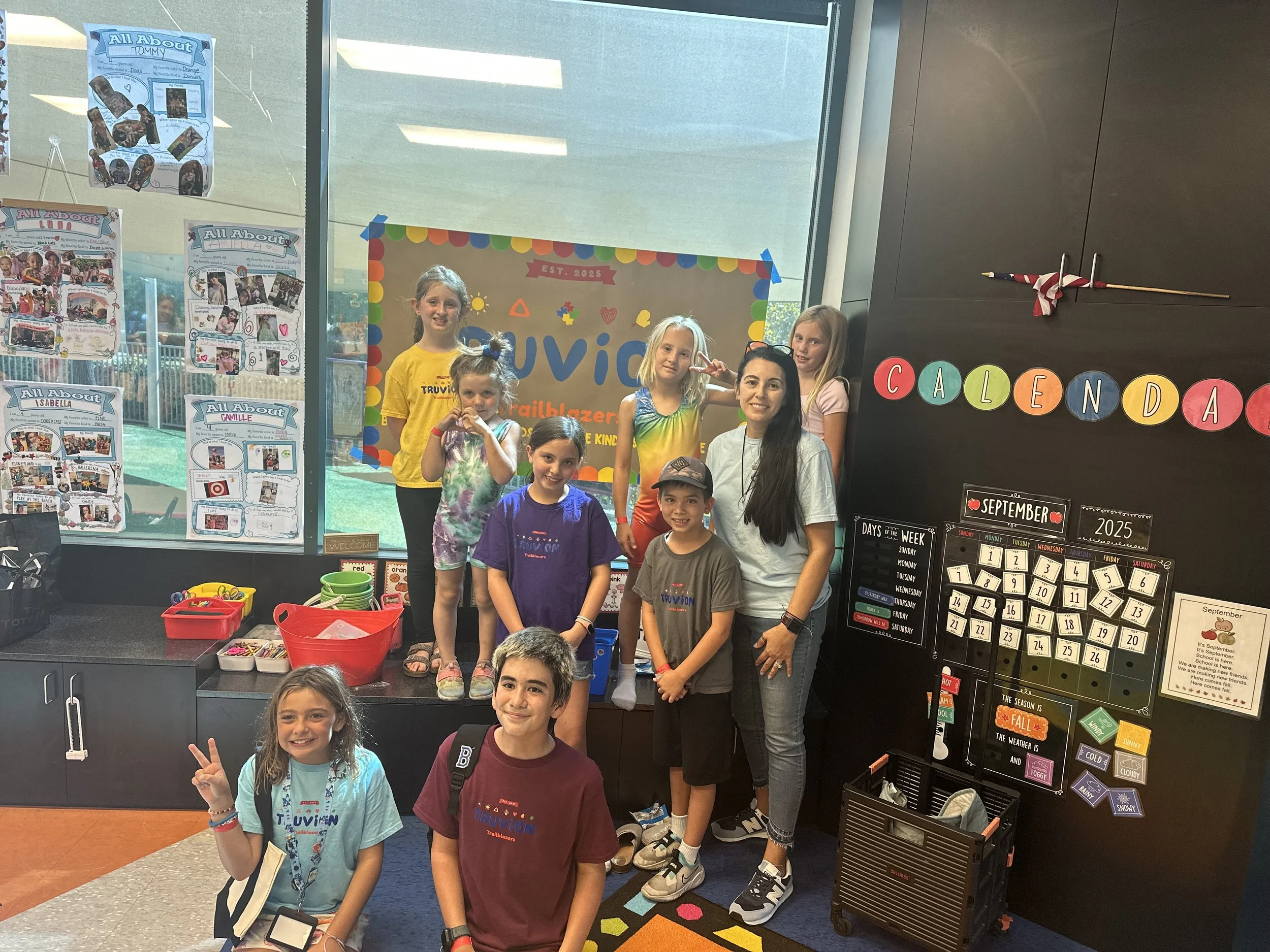
Our mission is to support children who may struggle in traditional social environments by creating safe, welcoming, and neuro-affirming spaces where they can build confidence, develop social skills, and form meaningful friendships.
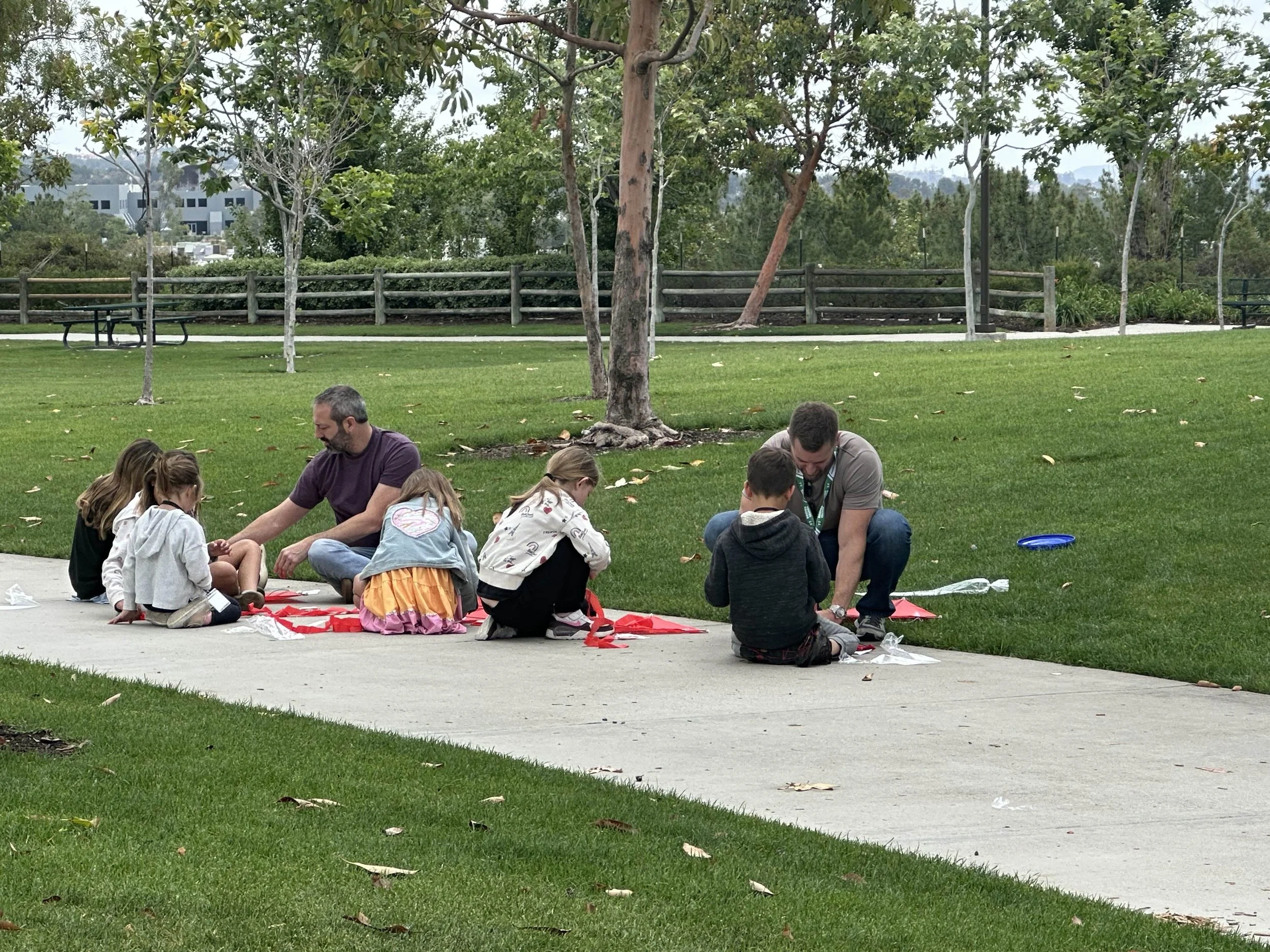
Through inclusive programs, community outings, and service opportunities, we provide experiences that help children of all abilities feel connected, valued, and empowered.
At The Cased Crew, we believe every child deserves the opportunity to thrive in a community that understands and celebrates who they are.
Who We Are
The Cased Crew is a 501(c)(3) nonprofit organization dedicated to promoting acceptance, kindness, and inclusion for children with autism, ADHD, anxiety, neurodevelopmental differences, and children of all abilities.
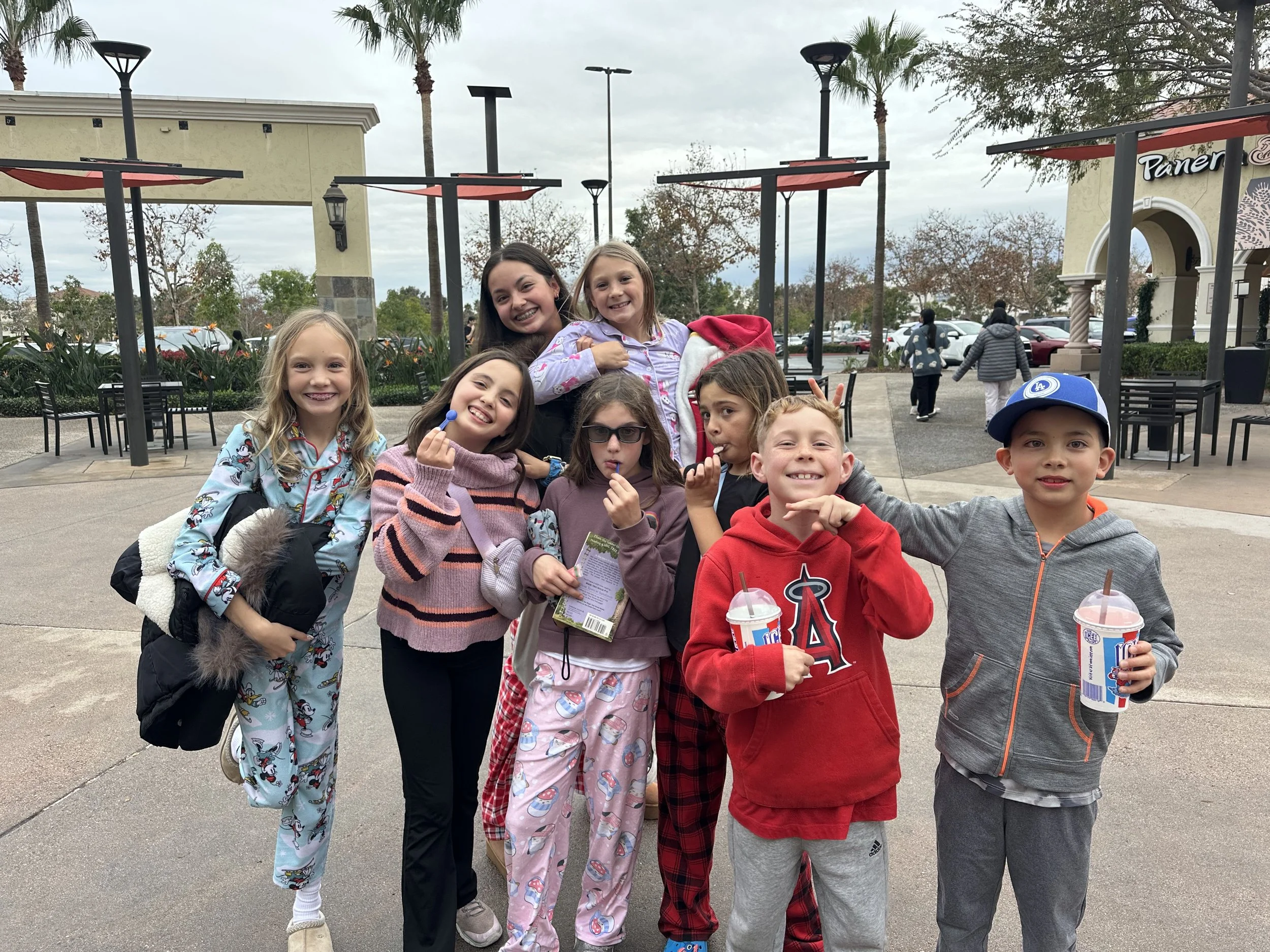
Inspired by Cadie’s journey, The Cased Crew was created to bring families together through meaningful experiences that help every child feel safe, valued, and understood. Through community outings, social activities, kindness projects, and shared experiences, we create opportunities for children to build confidence, develop friendships, and feel a true sense of belonging.
Our community is made up of passionate parents, caring volunteers, and our lovable emotional support dog mascots, who help create calm, welcoming environments wherever our Crew gathers.
At its heart, The Cased Crew is a neuro-affirming community that recognizes and celebrates the unique ways children think, learn, and experience the world. We believe differences are not something to fix, they are something to understand, respect, and celebrate.
Together, we advocate for neurodivergent children and children of all abilities, celebrating their strengths while supporting them as they grow socially, emotionally, and confidently.
The Cased Crew is more than a program, it’s a community where children and parents alike can feel supported, connected, and truly understood.
At The Cased Crew, we believe every child deserves to be seen, supported, and celebrated exactly as they are. 💙